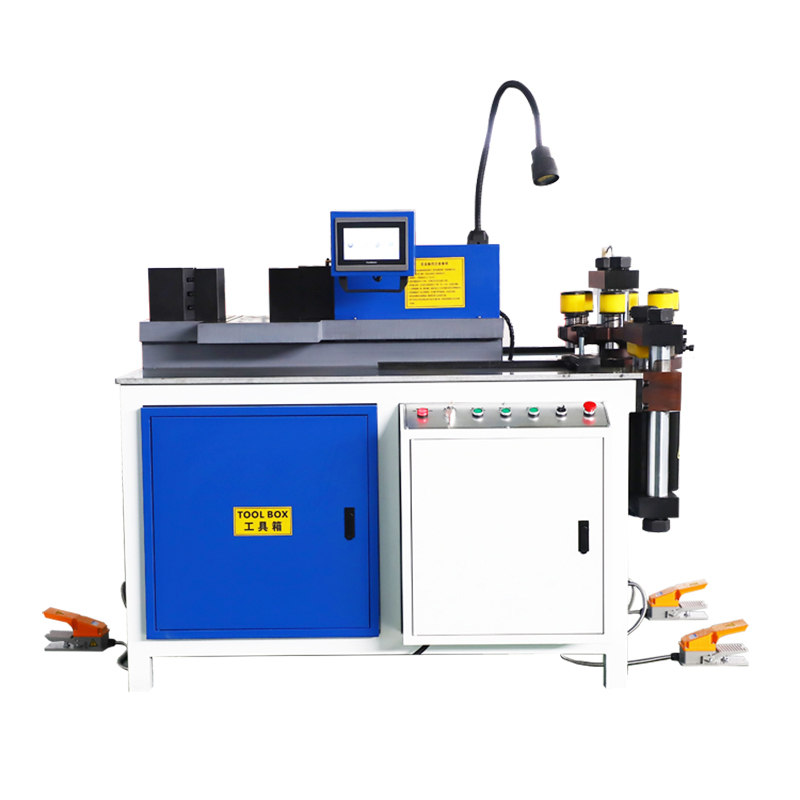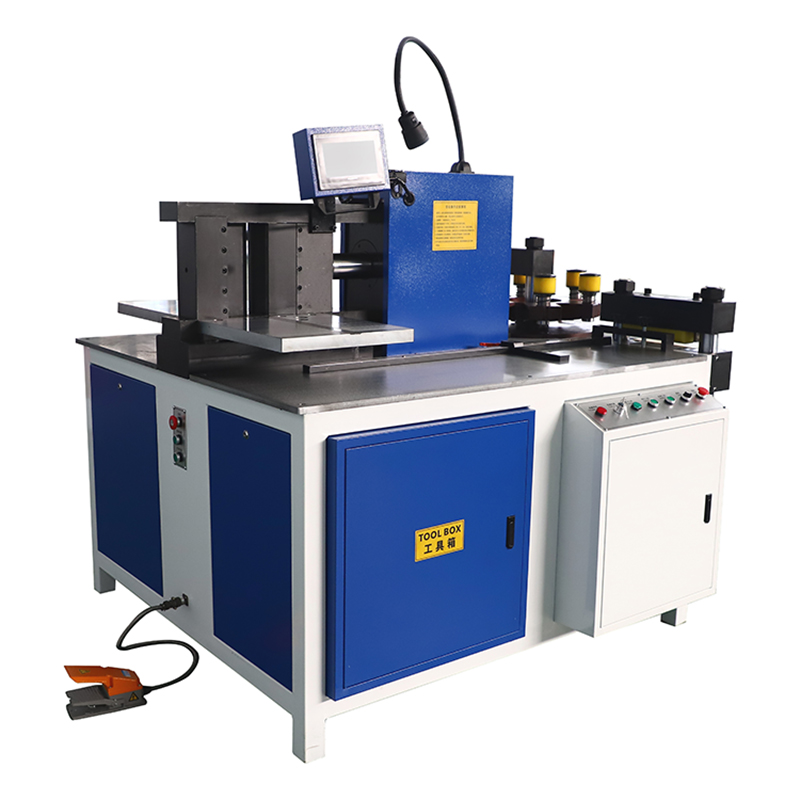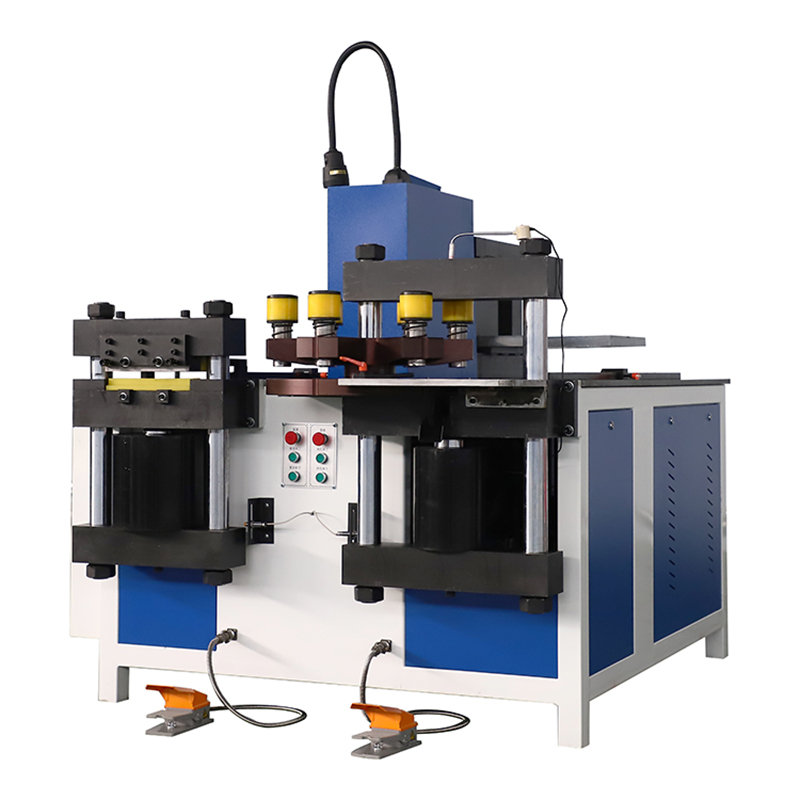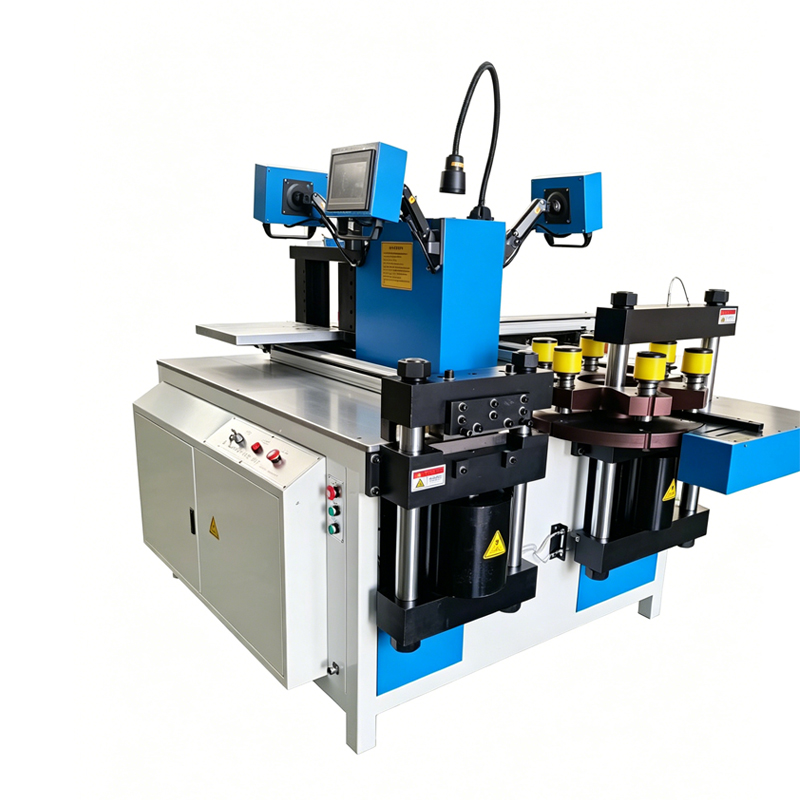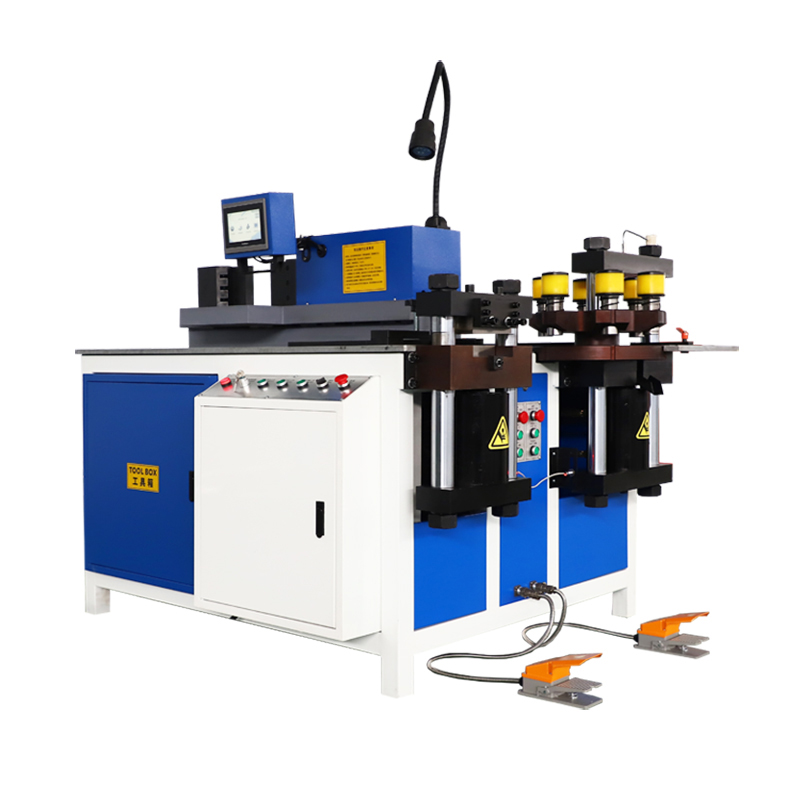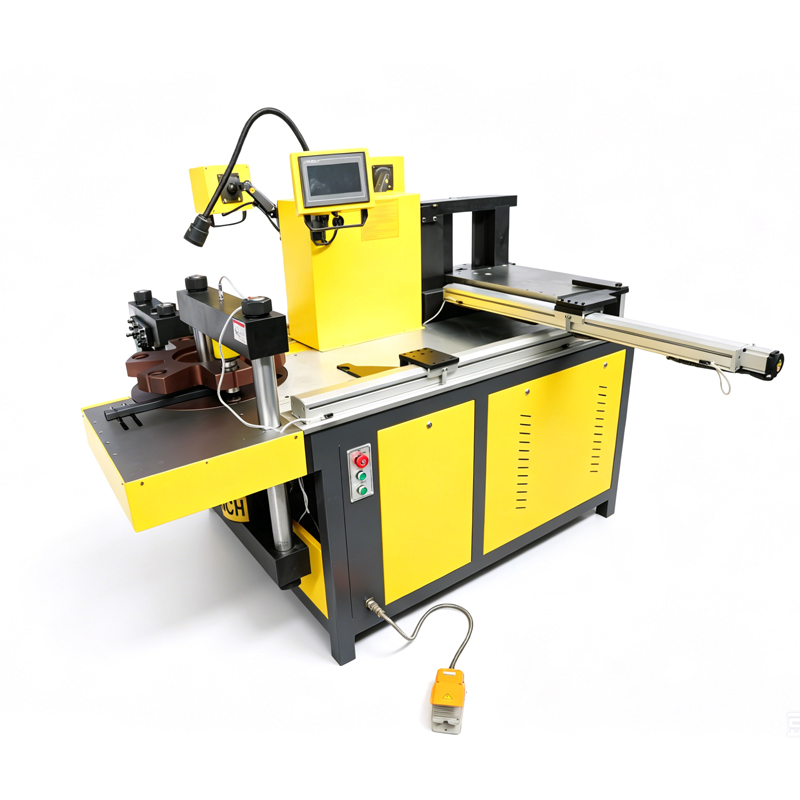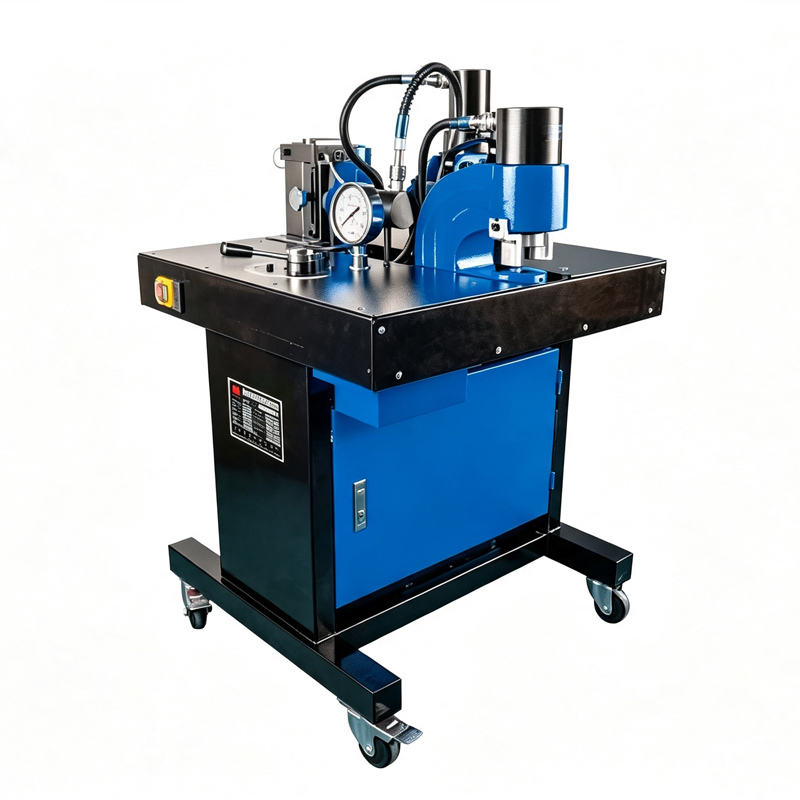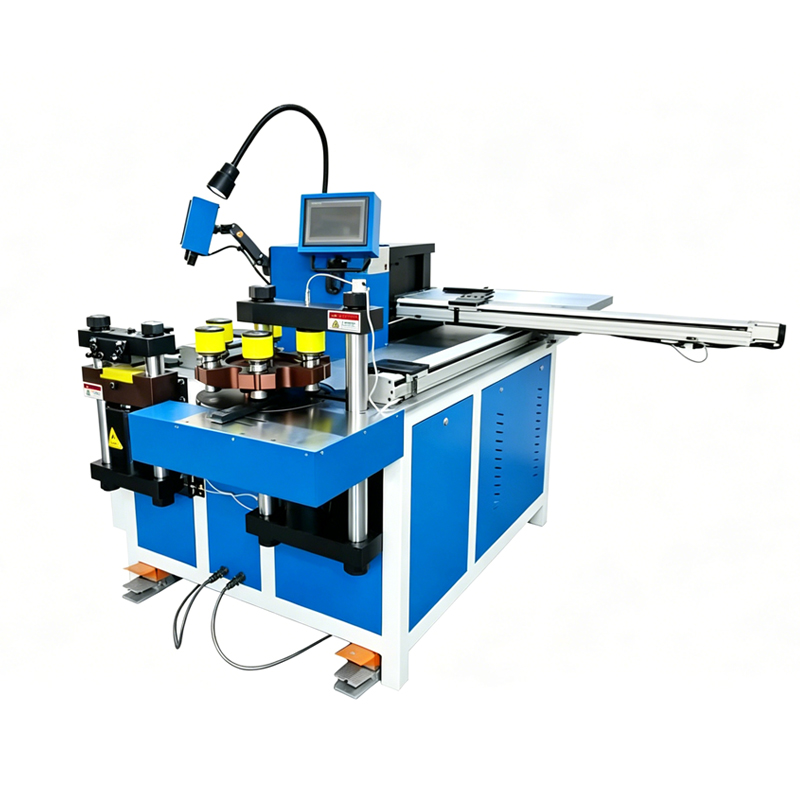

What types of busbars can a busbar bending machine process?
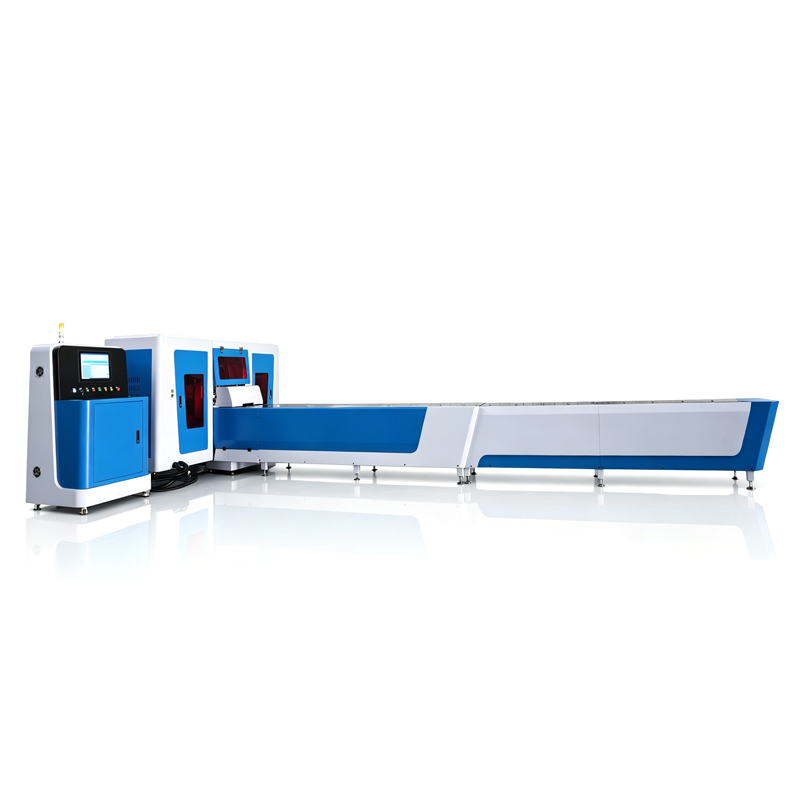
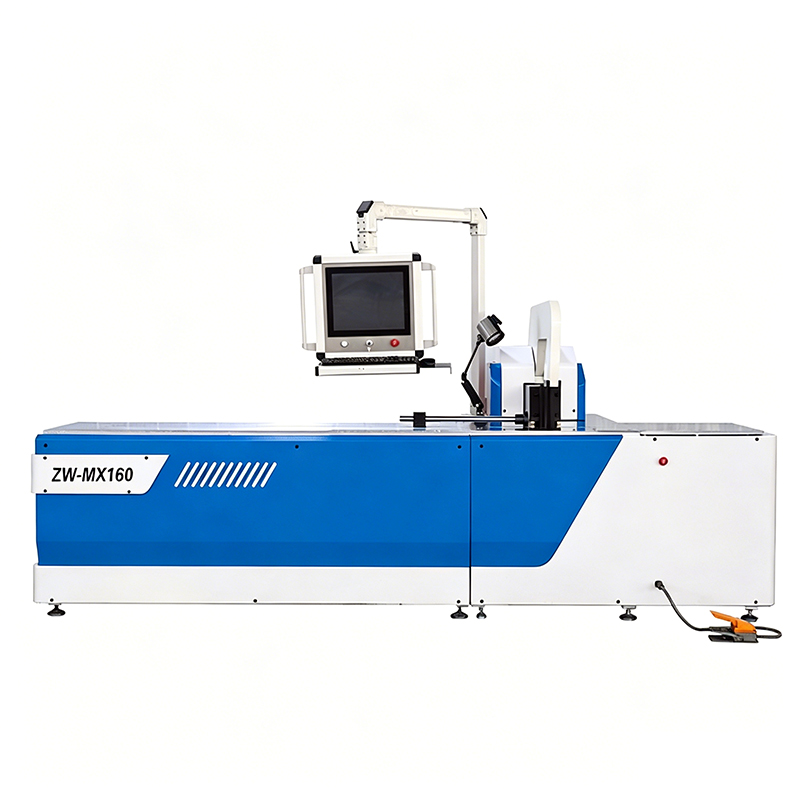
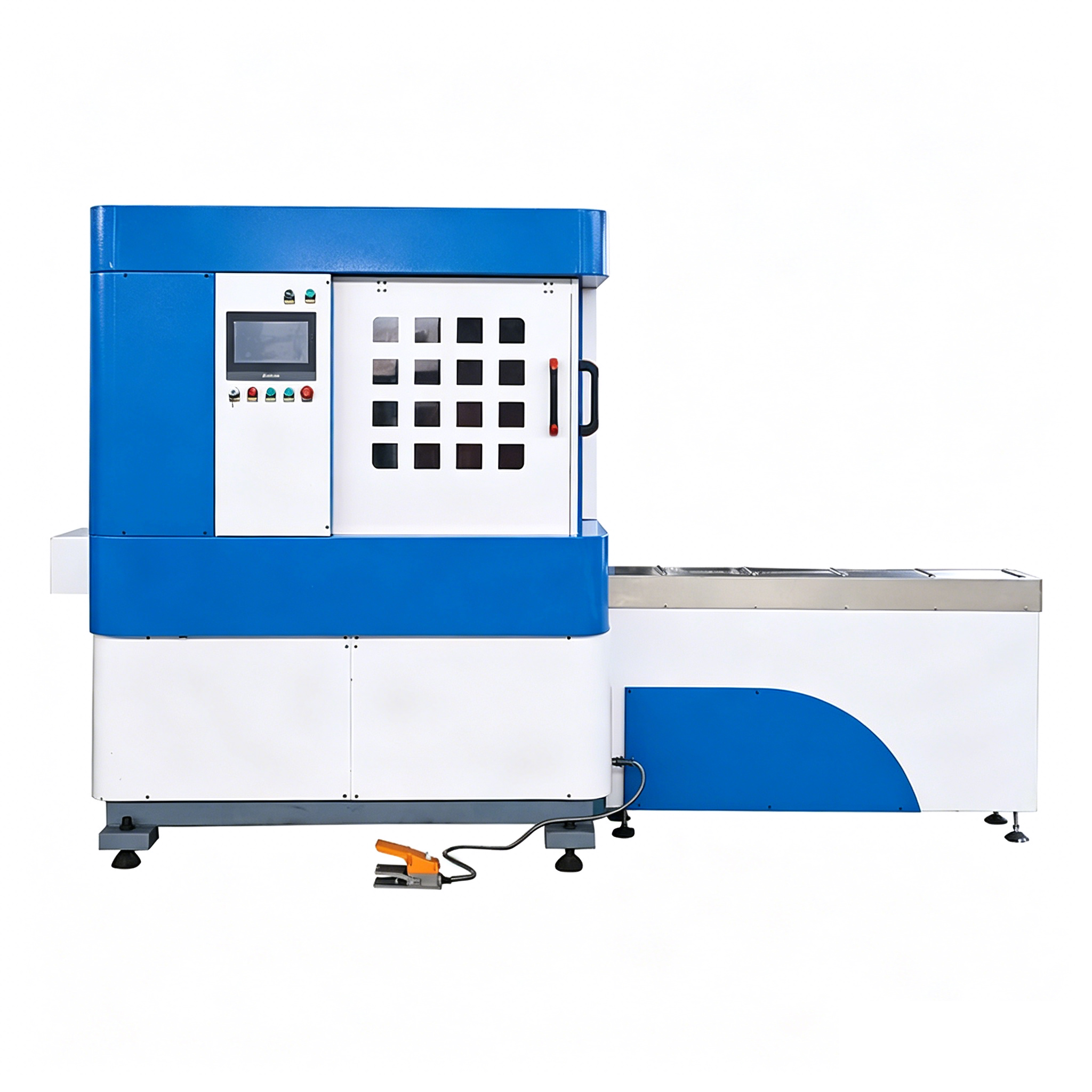
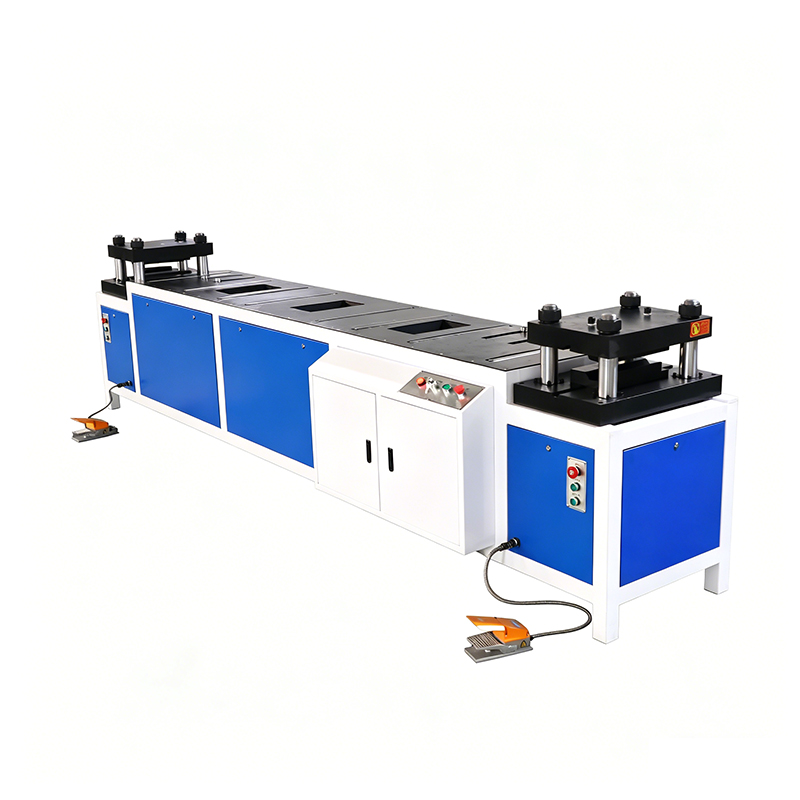
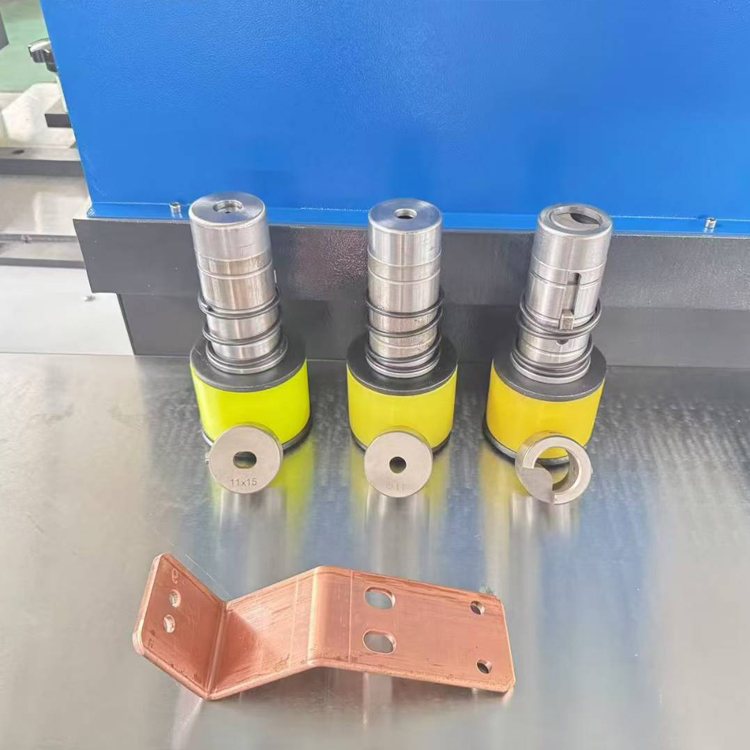
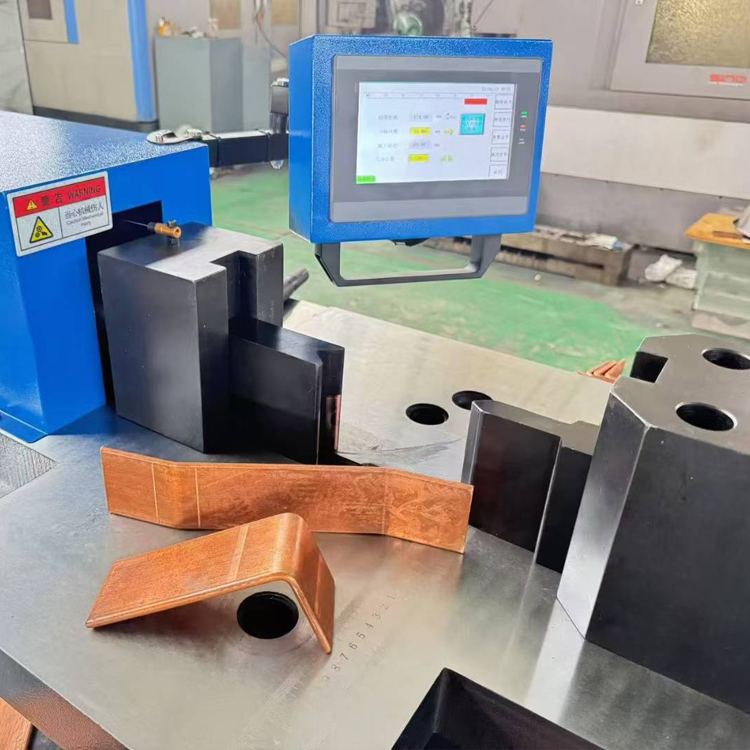
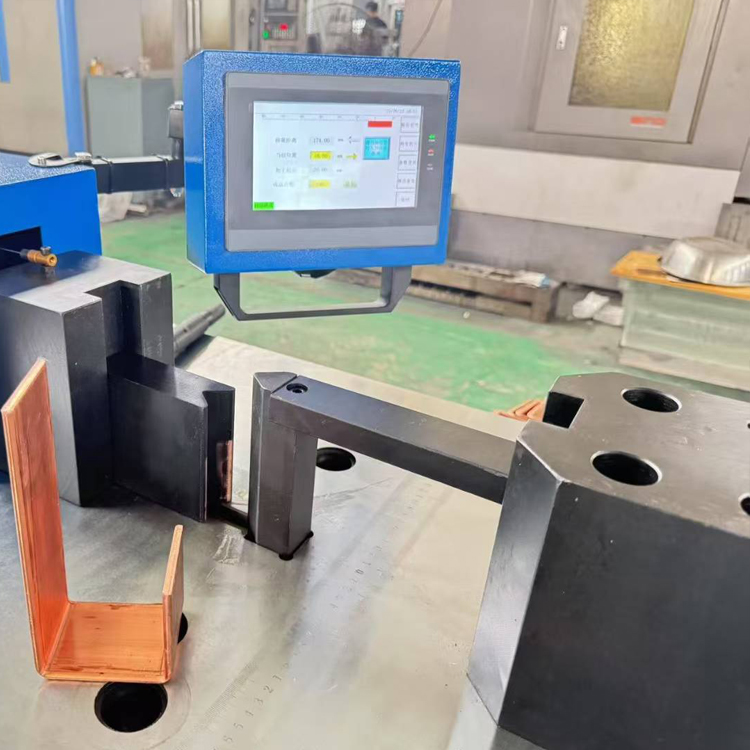
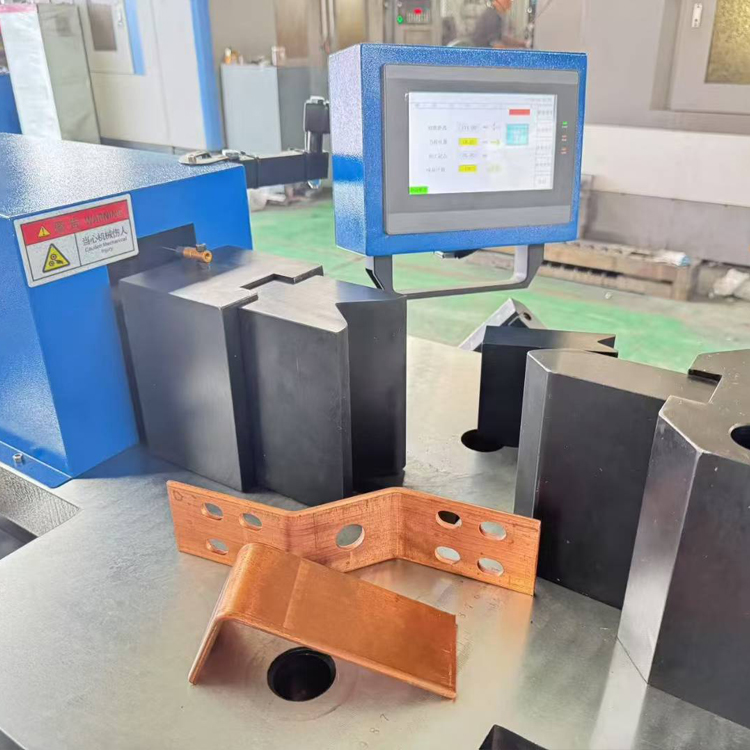
In the production of high- and low-voltage switchgear, complete electrical assemblies, and new energy storage systems, the bending station of a busbar processing machine is the core module determining the forming precision and versatility of the busbars. A high-quality CNC busbar bending machine eliminates the need for multiple pieces of equipment; by simply changing specialized dies, it can perform eight core processes—L-bending, Z-bending, U-bending, vertical bending, embossing, twisting, terminal crimping, and flattening—in a single workflow. This fully covers both standard and specialized forming requirements for copper and aluminum busbars. Many customers are interested in the specialized dies, application scenarios, and ease of die-changing associated with these processes. This article breaks down the operational advantages of each function based on real-world production scenarios to help enterprises make informed choices and optimize production.
| If you would like to learn more about the precision of busbar bending machines, please read this article:"How accurate is the busbar bending machine?" |
 |  |  |  |
1. L-Shaped Flat Bend | Standard Bending Process
The L-shaped flat bend is the most common forming method for electrical busbars. By bending the busbar horizontally across its wide face, precise angles—such as 45°, 90°, 135°, and 180°—can be achieved. Primarily used for horizontal cabinet connections, main busbar branching, and standard routing layouts, this is the most frequently utilized bending process for busbar processing machines. For example, the MXBSSK-503 busbar processing machine is suitable for copper and aluminum busbars with thicknesses ranging from 1 mm to 16 mm and widths up to 260 mm, capable of meeting the processing requirements for busbars in the vast majority of standard power distribution cabinets.
2. Z-Shaped Bend | Specialized Process for Offset Clearance
The Z-shaped bend involves two opposing bends, resulting in a stepped, offset configuration. It is designed to resolve issues such as limited cabinet space, installation misalignments, and interference between multi-layer wiring runs. Widely applied in the processing of non-standard busbars for energy storage cabinets, variable frequency drive (VFD) cabinets, and high-voltage switchgear, this process allows for single-step forming with high dimensional accuracy, eliminating the need for secondary adjustments.
3. U-Shaped Bend | Closed-Loop Channel-Style Forming Process
The U-shaped bend allows the busbar to be formed into a closed-loop channel shape in a single operation, resulting in parallel sides and high uniformity. Commonly used for grounding busbars, capacitor cabinet connectors, and battery module conductive links, this method replaces traditional splicing techniques; by reducing weld points, it enhances the busbar's electrical conductivity, stability, and safety.
4. Vertical Bend (Edge Bend) | Specialized Process for Layered Wiring
Unlike the flat bend, the vertical bend involves bending the busbar along its thickness axis. This alters the installation height, enabling layered wiring within the cabinet, vertical busbar interconnection, and clearance for wall penetrations. It is an essential process for the layered layout of high- and low-voltage switchgear, ensuring precise verticality and zero offset after bending.
5. Busbar Embossing | Anti-slip and Wear-resistant Process The busbar embossing process involves pressing a uniform pattern onto the contact surfaces of the busbar. This effectively increases the contact area, reduces issues such as heat generation, poor contact, and arcing during operation, and significantly enhances the stability of electrical equipment. It is commonly used for processing critical areas such as busbar butt joints and bolted connections.
6. Busbar Twisting | Irregular Configuration Process
The twisting process rotates the entire busbar by 90°, altering the orientation of the conductive surface. This adapts the busbar for use in compact cabinets, wall-penetrating routing, and installations involving irregular equipment layouts, addressing routing requirements that standard bending cannot accommodate. After twisting, the busbar remains free from distortion, and the conductive surface remains intact.
7. Integrated Terminal Forming | Lug Compression Process
This process is primarily used to form terminals directly onto the ends of the busbar, replacing traditional welding or external lug attachment methods. It creates neat, secure connection points that ensure tighter connections and superior electrical conductivity. Suitable for equipment output terminals and cable connection points, this process offers far greater efficiency than manual methods.
8. Busbar Flattening | Shaping and Edge Finishing Process
The flattening process is primarily used to shape, flatten tight bends, and smooth edges after the bending stage. It corrects issues such as minor deformation, edge curling, or protrusions caused by bending, ensuring the busbar is flat and uniform. This ensures compliance with electrical equipment installation standards while enhancing the product's aesthetic appeal and installation compatibility.