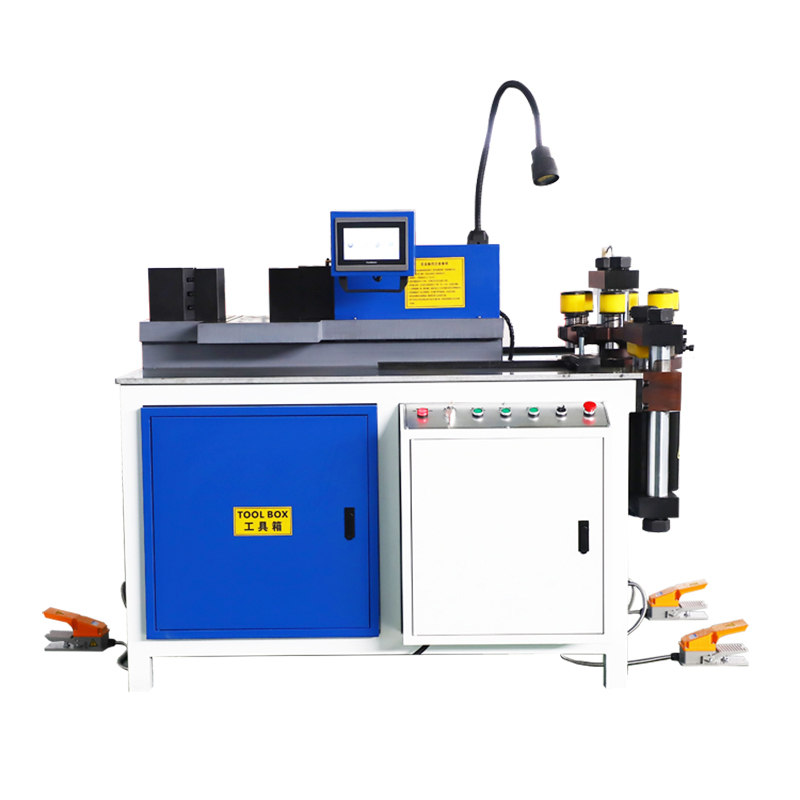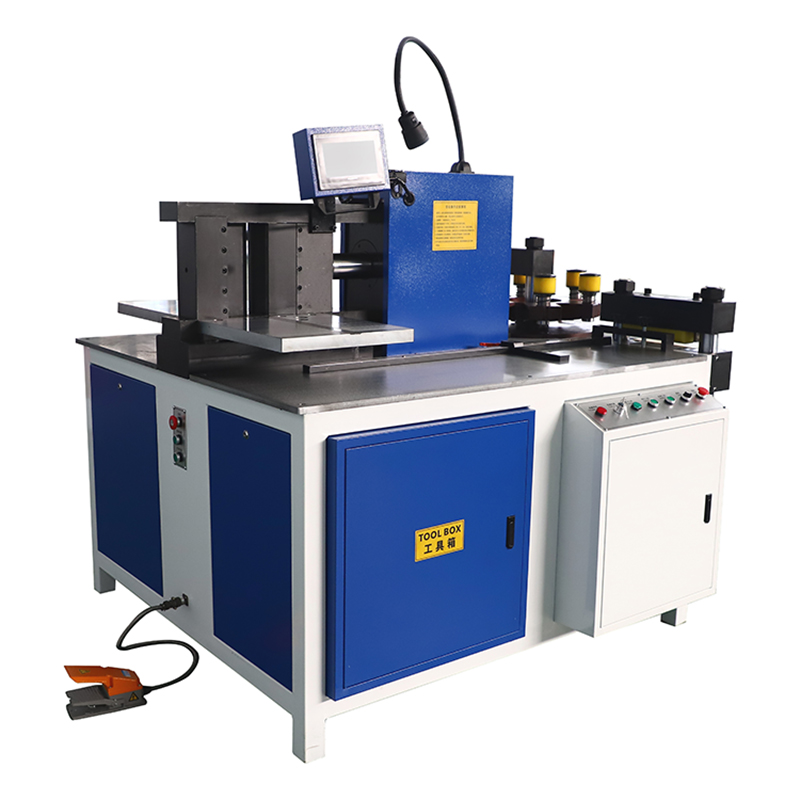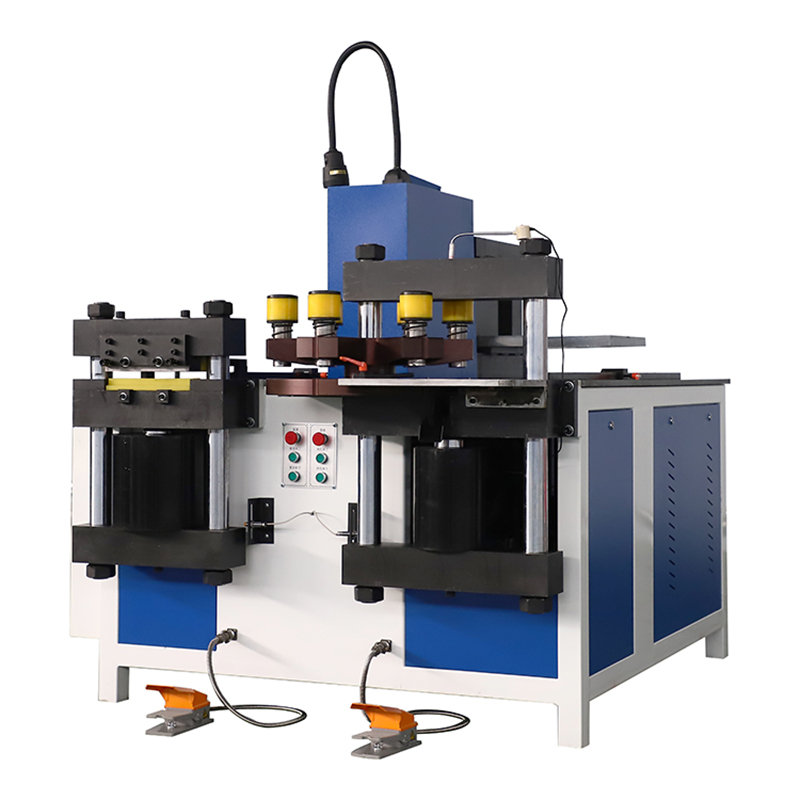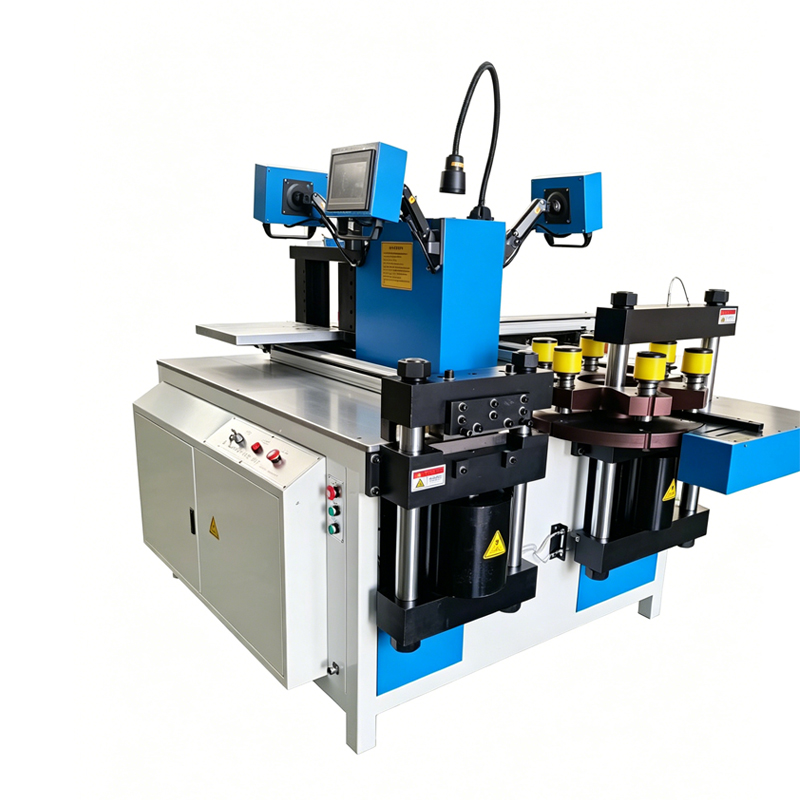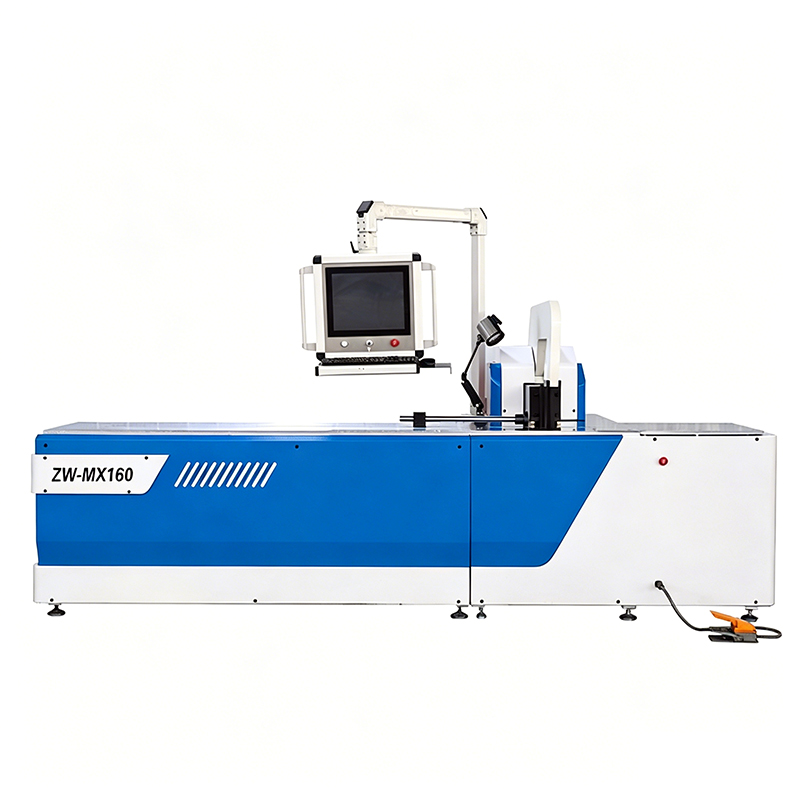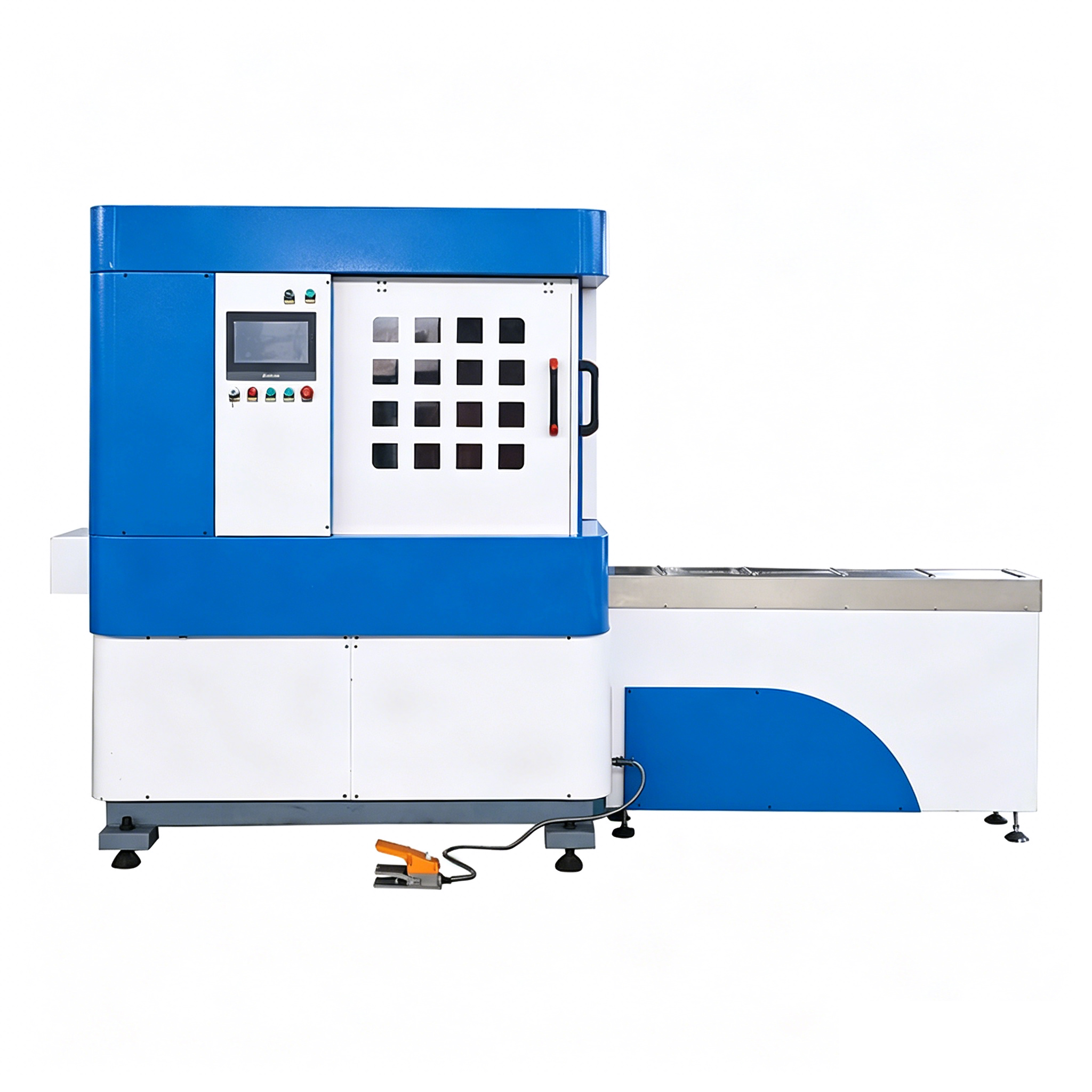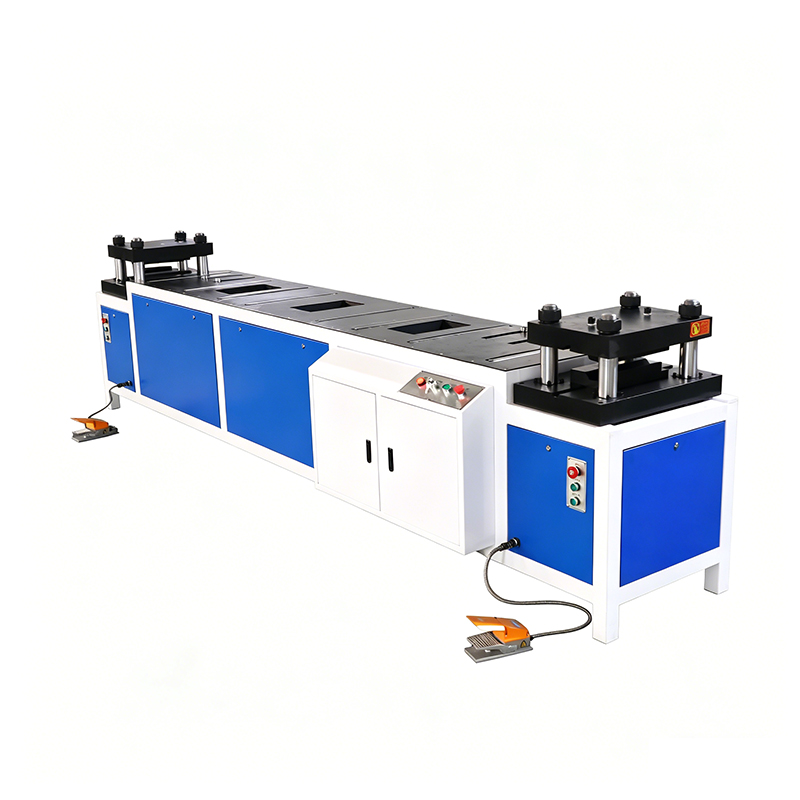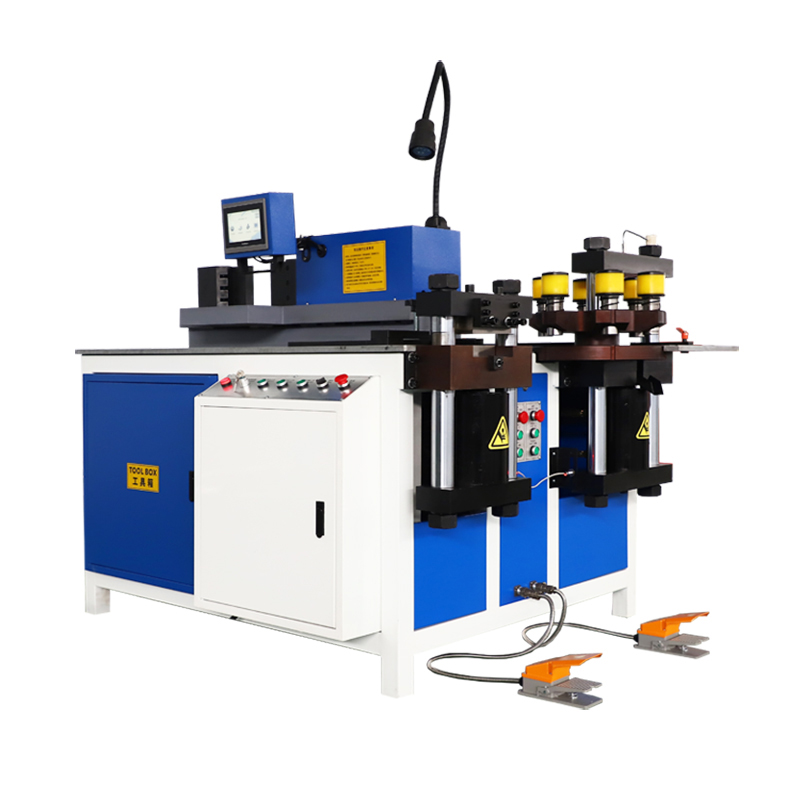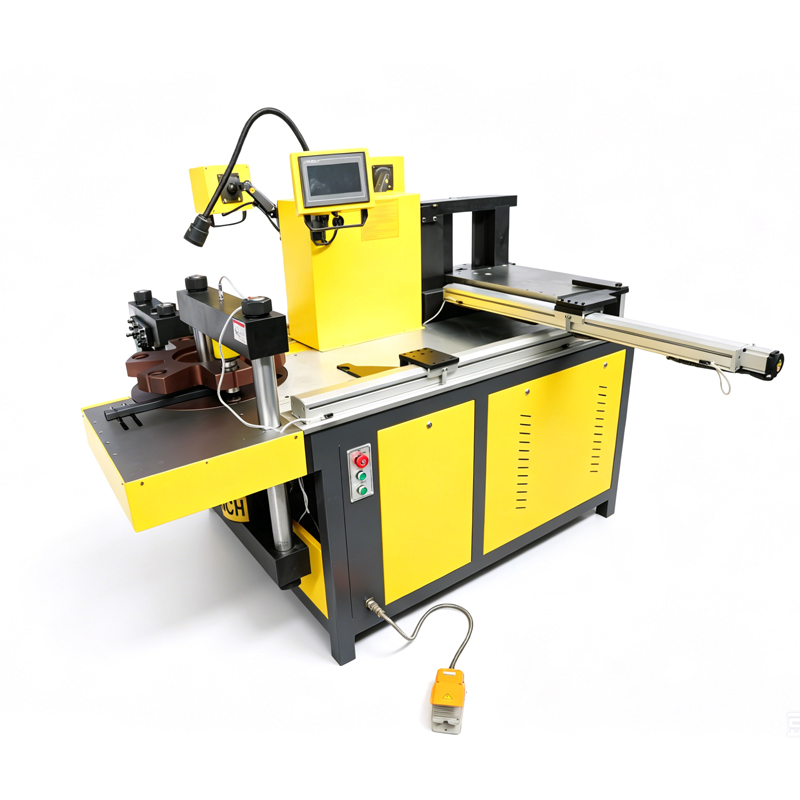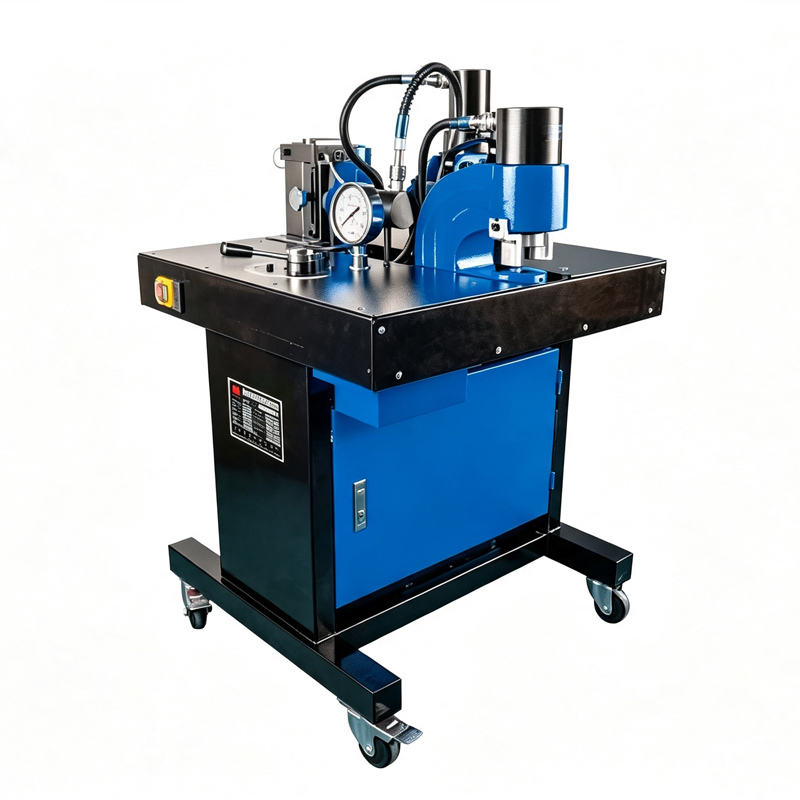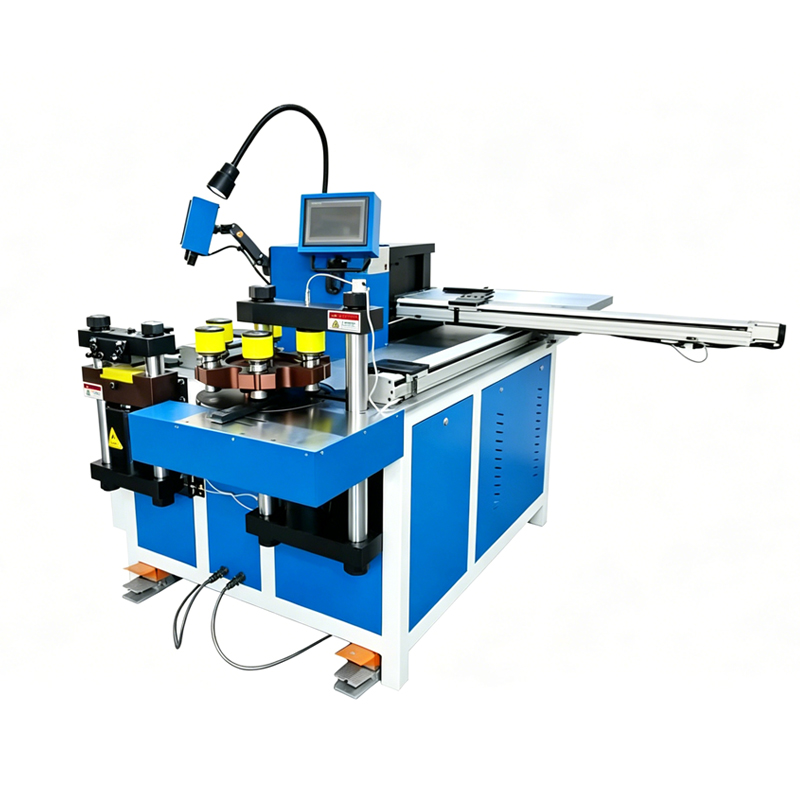

The three-station busbar processing machine integrates shearing, punching, and bending functions for copper and aluminum busbars. Powered by a hydraulic system that delivers consistent and stable operating pressure, it serves as the core precision equipment in busbar production lines. Hydraulic oil acts as the medium for power transmission, lubrication, cooling, and protection; the choice of oil grade directly impacts pressure stability, processing precision, operational responsiveness, and the overall service life of the machine. This article analyzes the operating conditions of the three-station busbar processing machine and compares the properties of commonly used hydraulic oils (grades 32, 46, and 68) to establish standard specifications for oil selection.
1、 Definition of Hydraulic Oil Grades and Selection Principles
Hydraulic oil grades are classified based on kinematic viscosity at 40°C, serving as the primary criterion for equipment selection. Commonly used industrial anti-wear hydraulic oils fall into three grades—32, 46, and 68—with viscosity increasing sequentially: lower-grade oils are thinner and flow more easily, while higher-grade oils are more viscous, forming a thicker oil film but encountering greater flow resistance.
The three-station busbar processing machine is a piece of equipment characterized by medium operating pressure, frequent start-stop cycles, high precision, and continuous operation. Selection principles prioritize responsive pressure transmission, component wear protection, and stability across high and low-temperature conditions, while aiming to prevent issues such as insufficient pressure, jerky movement, excessive oil temperature, and seal degradation. Based on a combination of the manufacturer's technical specifications and practical operational experience, the standard oil designated for this machine is Grade 46 anti-wear hydraulic oil (HM46).
2. Comparative Analysis of Hydraulic Oil Grades
1. No. 32 Hydraulic Oil (Low Viscosity/Thin)
No. 32 hydraulic oil features low viscosity, minimal flow resistance, and excellent cold-start performance; however, it is suitable only for low-pressure, light-load, and low-speed hydraulic equipment. Using it in a three-station busbar processing machine presents significant drawbacks: the oil is too thin and lacks sufficient load-bearing capacity. During operations involving punching, bending, and pressure holding, issues such as pressure decay, internal cylinder leakage, and unstable pressure maintenance often occur, leading to dimensional deviations, workpiece spring-back, and failure to meet processing precision standards. Furthermore, the oil film strength is inadequate; long-term use accelerates wear on hydraulic pumps, valve spools, and valve assemblies, significantly increasing the equipment failure rate. It is unsuitable for this machine.
2. No. 68 Hydraulic Oil (High Viscosity/Thick)
No. 68 hydraulic oil is characterized by high viscosity, a thick oil film, and strong anti-wear load-bearing capacity, making it suitable for heavy-duty hydraulic equipment operating under high pressure, heavy loads, and high temperatures. Using it in a busbar processing machine leads to clear compatibility issues: the high viscosity creates significant flow resistance in the hydraulic circuits, resulting in sluggish response times, station stalling, and reduced processing efficiency. The motor load increases, oil temperatures rise rapidly, and energy consumption goes up. Long-term use accelerates the aging and hardening of oil seals and gaskets, leading to oil seepage and leakage, which severely compromises the machine's operating cycle and processing precision. It is strictly prohibited as a long-term substitute for No. 46 oil.
3. No. 46 Hydraulic Oil (Balanced Compatibility/OEM Standard)
No. 46 anti-wear hydraulic oil has a viscosity between that of No. 32 and No. 68. It is the only balanced oil grade that effectively combines fluidity with load-bearing capacity, making it a perfect match for the standard 16–25 MPa operating pressure range of three-station busbar processing machines. Its moderate fluidity ensures responsive and synchronized operation across the shearing, punching, and bending stations. Additionally, its sufficient oil film strength ensures stable pressure retention during continuous holding and instantaneous pressurization, eliminating pressure fluctuations and guaranteeing consistent processing precision.
3. Key Advantages of Using ISO VG 46 Hydraulic Oil
1. Stable Pressure and High Machining Precision
ISO VG 46 hydraulic oil offers excellent viscosity stability; it does not become noticeably thinner or thicker during continuous operation or fluctuations in oil temperature. Its superior pressure-holding capability effectively resolves issues such as bending angle deviations, punching misalignments, and dimensional errors, thereby meeting the requirements for precision busbar machining.
2. Strong Anti-Wear Protection and Extended Equipment Lifespan
Formulated with high-quality extreme-pressure anti-wear additives, HM46 hydraulic oil creates a protective film on hydraulic pumps, plungers, cylinders, and precision valve spools. This minimizes metal-to-metal friction and wear, reduces common faults—such as internal leakage, valve sticking, and abnormal noise—and significantly lowers the frequency of equipment maintenance.
3. Wide Temperature Adaptability for Workshop Conditions
In standard indoor workshop environments, ISO VG 46 hydraulic oil remains fluid at low temperatures and resists thinning at high temperatures. It ensures smooth startups in winter and prevents overheating or pressure loss during continuous summer operation. It offers optimal year-round adaptability, eliminating the need for frequent oil changes based on the season.
4. Clean Hydraulic Circuits and Low Energy Consumption
ISO VG 46 anti-wear hydraulic oil features excellent oxidation resistance, demulsibility, and anti-foaming properties. It resists sludge and carbon deposit formation during long-term use, keeping hydraulic circuits clear and preventing solenoid valve sticking or line blockages. Additionally, its optimized flow resistance results in lower energy consumption and smoother equipment operation compared to ISO VG 68 oil.
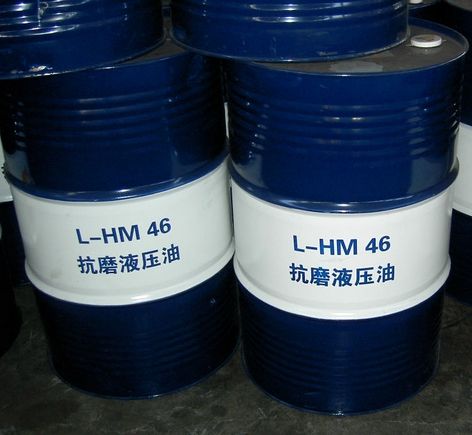
4. Selection Recommendation
If you have purchased a multi-function CNC busbar machine from Fenghua CNC, we recommend using HM46 anti-wear hydraulic oil. Grade 32 oil lacks sufficient load-bearing capacity and cannot guarantee precision, while Grade 68 oil causes high resistance, low efficiency, and a tendency to overheat; neither is suitable for three-station busbar processing machines. If you have purchased a different model, the manufacturer will typically advise you on the most appropriate type of hydraulic oil.
If you are looking for a suitable manufacturer or supplier of CNC busbar processing equipment, please contact us immediately to discuss your specific requirements. Drawing on our extensive experience in manufacturing busbar processing equipment, we will provide you with the best possible quotation.