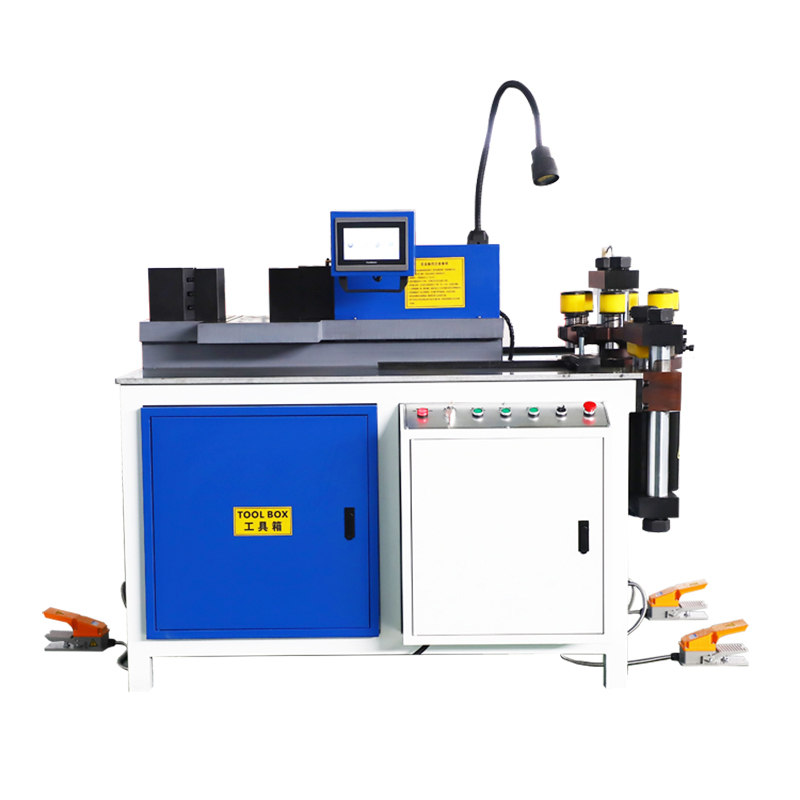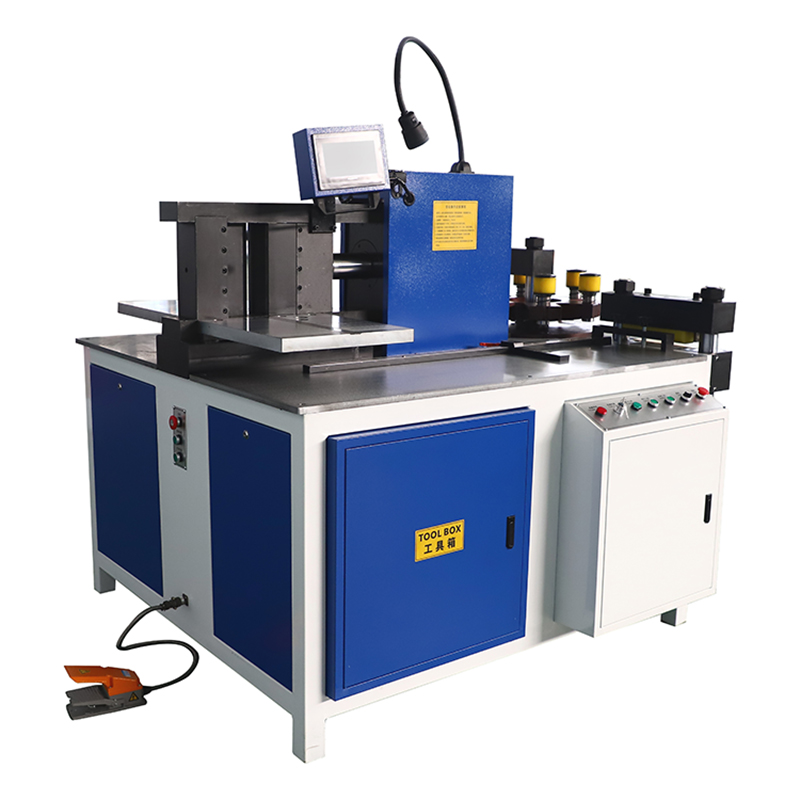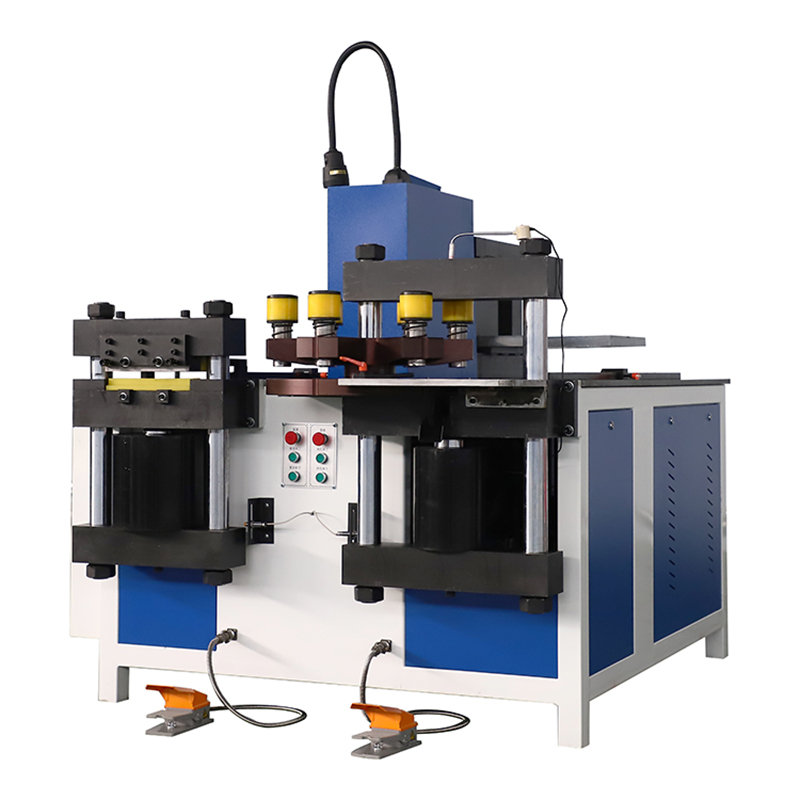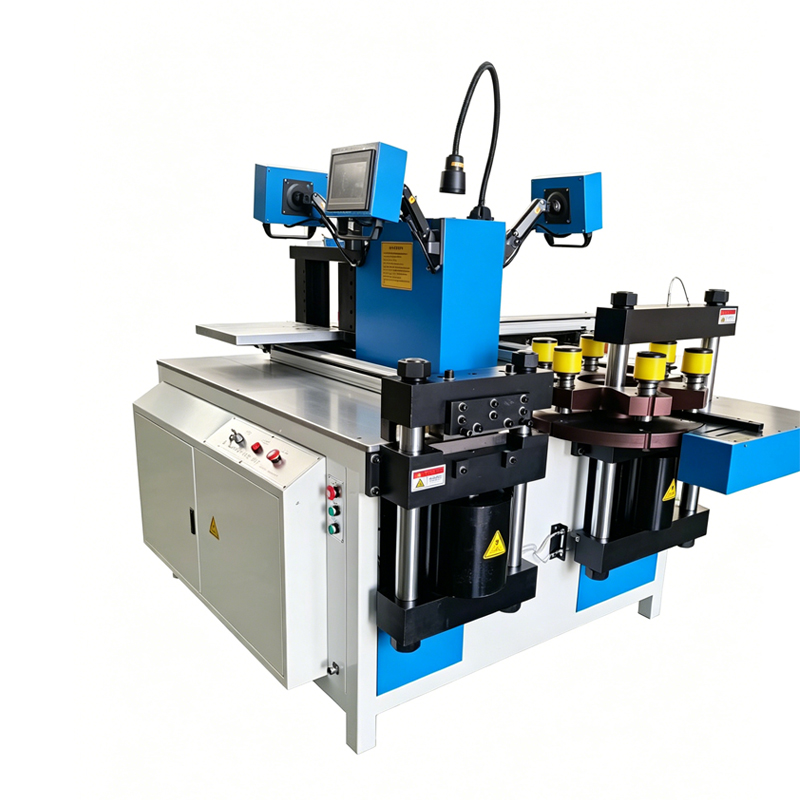

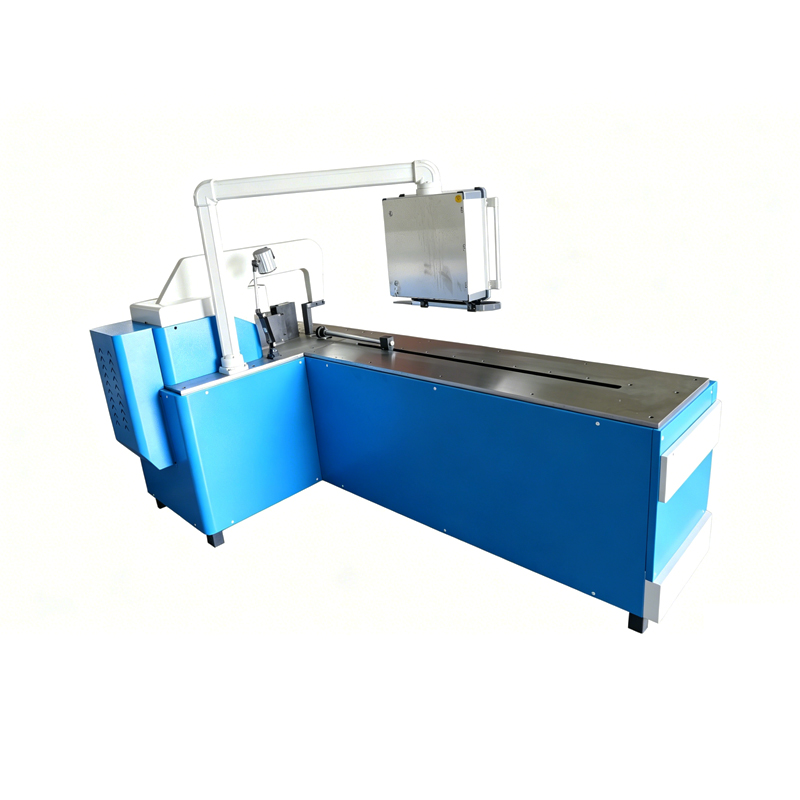
Busbar Processing Machine
▌What Is a CNC Busbar Bending Machine?
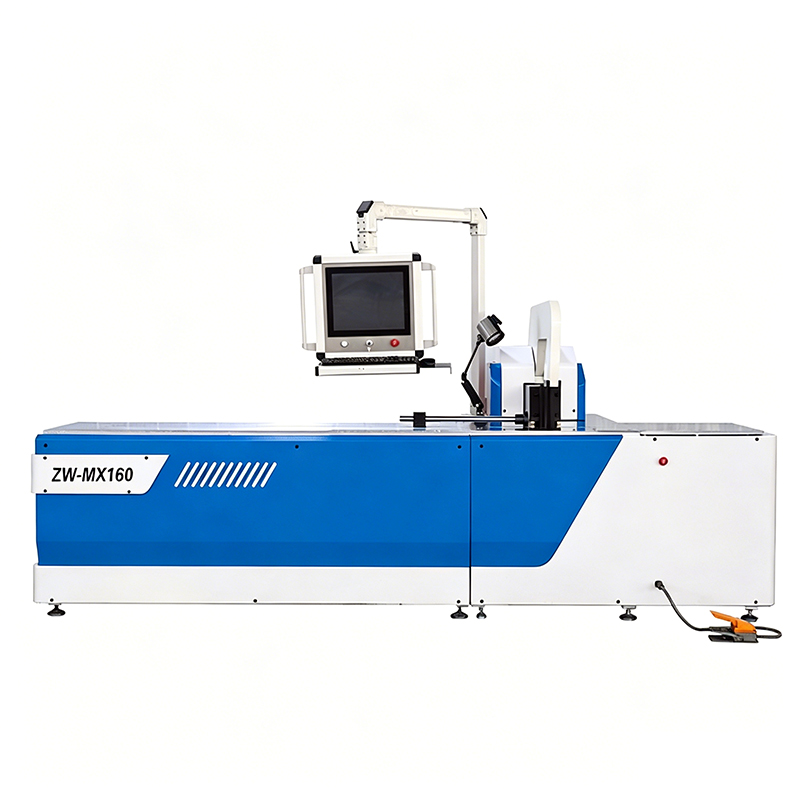
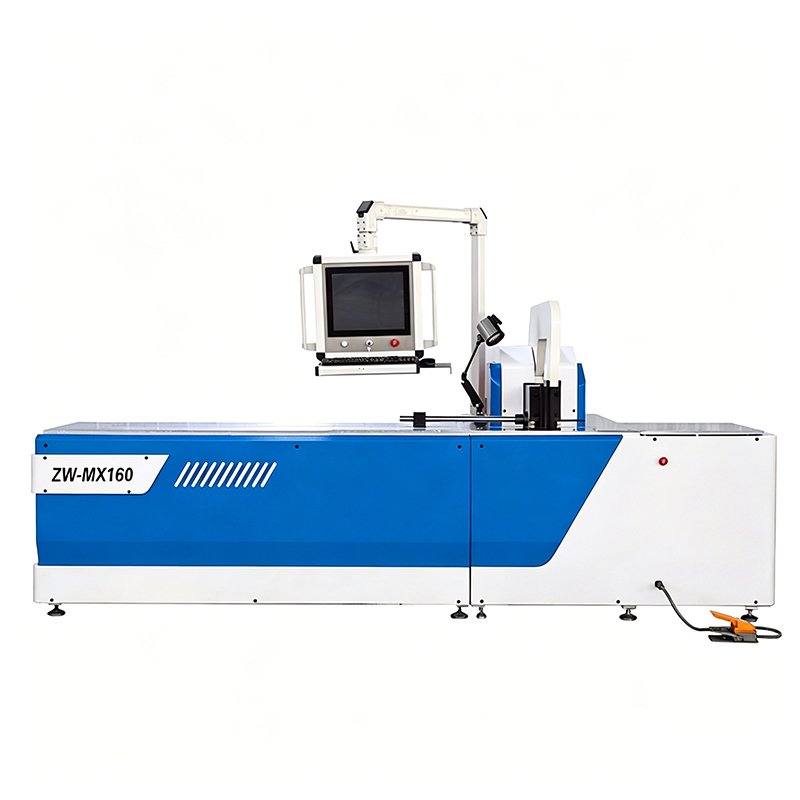
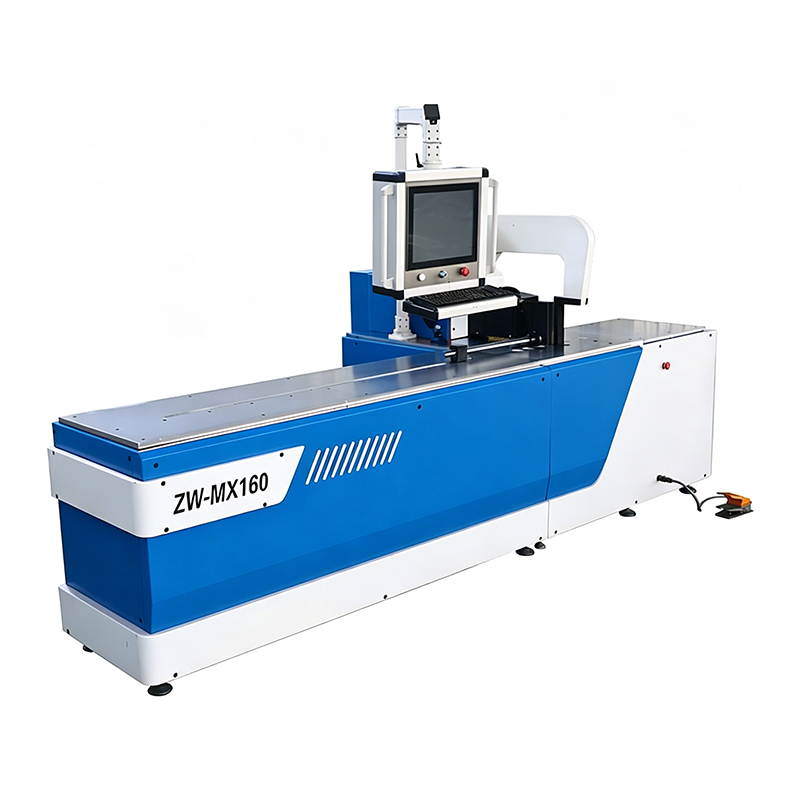
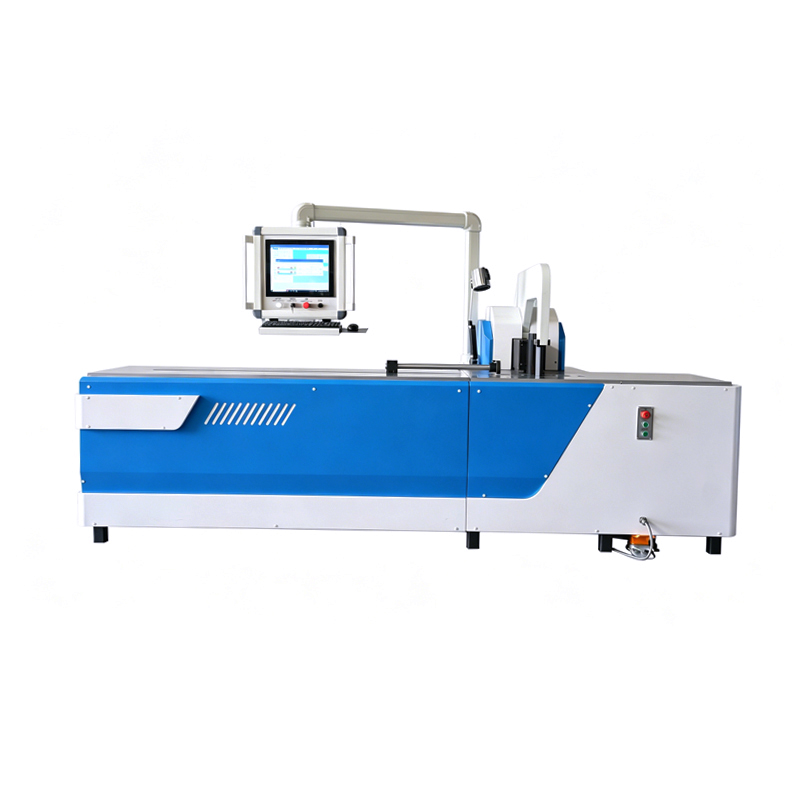
| A CNC busbar bending machine is an automated busbar processing machine designed for precision bending of copper and aluminum busbars. Equipped with a servo drive system, CNC control system, and CAD/CAM software, it can automatically generate busbar processing programs, achieve precise positioning, and perform continuous multi-angle bending to meet the requirements of high-precision and high-efficiency busbar bending production. | ![]() |
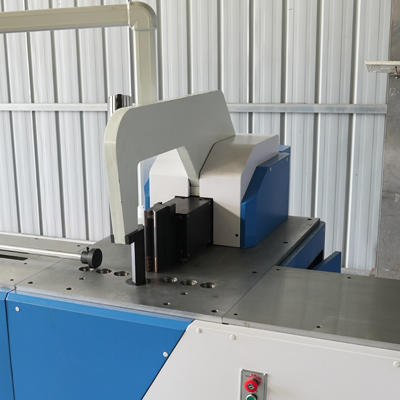
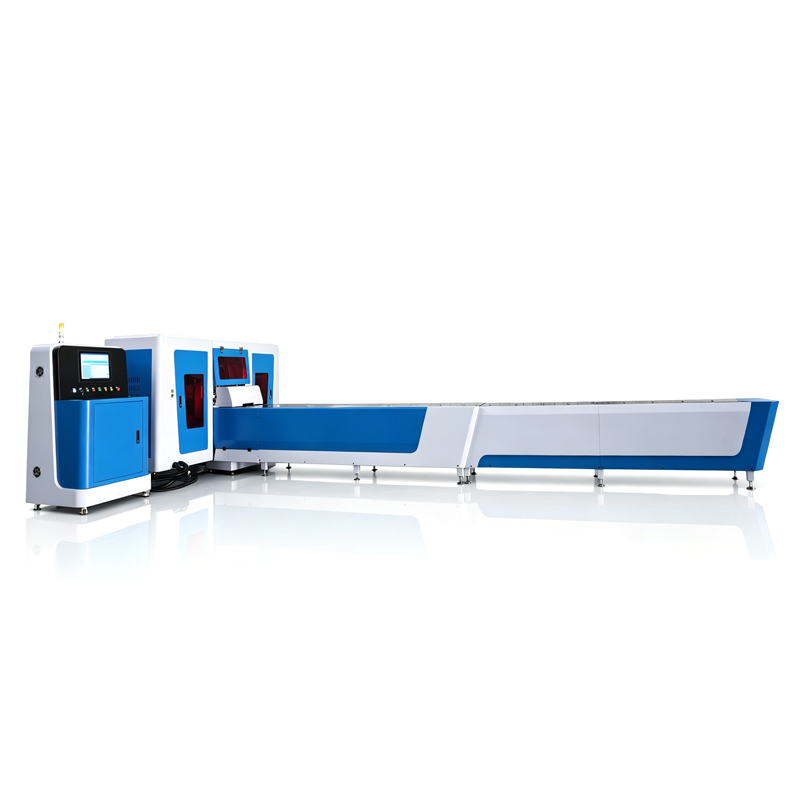
The Fenghua CNC MXZW-200 CNC busbar bending machine is specially designed for the power equipment manufacturing industry. It is widely used for copper and aluminum busbar processing in high and low voltage switchgear, transformers, new energy equipment, and other applications. With stable processing accuracy and intelligent control capabilities, it can meet the needs of both small-batch customized production and large-scale continuous processing.
▌How Does a CNC Busbar Bending Machine Work?
A CNC busbar bending machine achieves fully automatic processing from positioning to bending through the coordinated operation of the CAD/CAM software system, CNC control system, servo drive system, and high-precision bending molds.
CNC Busbar Bending Machine Processing Process:
Step 1: Input the Processing Program
1、The operator creates the required bending drawings through the touchscreen and enters busbar processing parameters, including busbar length, width, thickness, bending angle, bending radius, and other relevant data.
2、The busbar bending machine can directly import CAD drawings. The CAD/CAM software automatically generates the processing program, significantly reducing the time required for manual programming.
The machine can also share bending drawing data generated by the busbar punching and shearing machine directly with the bending system, enabling one-time programming and multi-machine coordination. There is no need to repeatedly input bending drawings and parameters. The data for punching, shearing, and bending processes remains consistent throughout the entire workflow, effectively reducing human errors and significantly improving processing efficiency.
Step 2: Automatic Servo Positioning
After the operator places the busbar on the worktable and starts the program, the system enters the automatic operation mode. The CNC system automatically controls the X-axis positioning device to move to the preset position, achieving automatic control of the positioning dimensions. This eliminates repeated manual measurement and adjustment, effectively improving bending accuracy and processing efficiency.
Step 3: Continuous Bending Processing
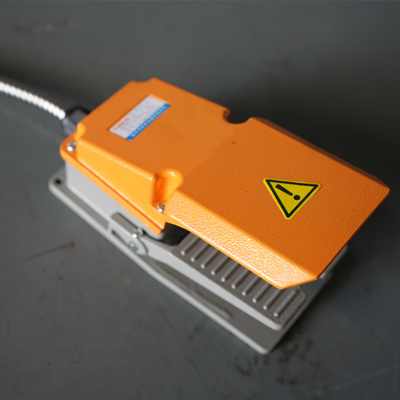
After positioning the busbar, the operator only needs to press the foot pedal to start the bending process. If the busbar requires multiple bending positions, the CNC system automatically controls the X-axis to move to the next bending position until all bending operations are completed.
The operator does not need to repeatedly measure dimensions or adjust bending angles. They only need to adjust the busbar position according to the positioning instructions, greatly reducing labor intensity and improving production efficiency.
Video Demonstration
▌Key Features of the CNC Busbar Bending Machine
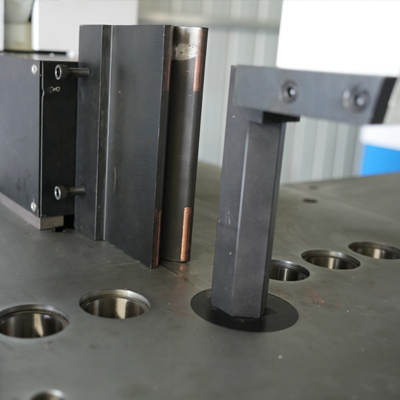
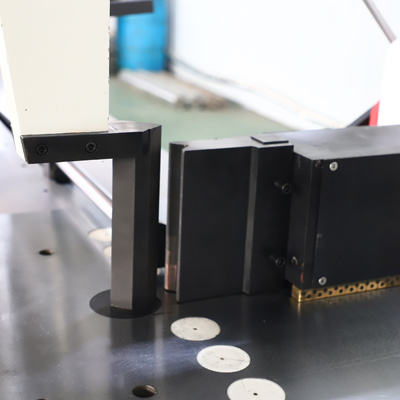
| High-Rigidity Closed Bending Structure Ensures Processing Stability The MXZW-200 CNC busbar bending machine adopts a closed high-rigidity machine body structure. The main load-bearing platform is made of an 80mm thick T10 steel plate and undergoes quenching and tempering heat treatment to improve overall rigidity and resistance to deformation. | ![]() |
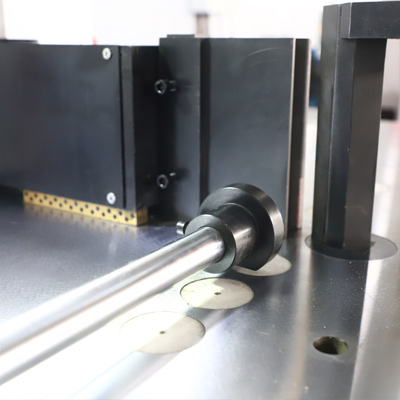
![]() | Servo Drive System Enables High-Precision Bending The machine uses a high-inertia servo motor as the power source, combined with a high-precision planetary gearbox and precision ground ball screw transmission system, to achieve accurate and stable bending control. |
| CAD/CAM Software Improves Programming Efficiency The machine supports 3D drawing creation, CAD drawing import, automatic generation of machining paths, and bending process simulation. | ![]() |
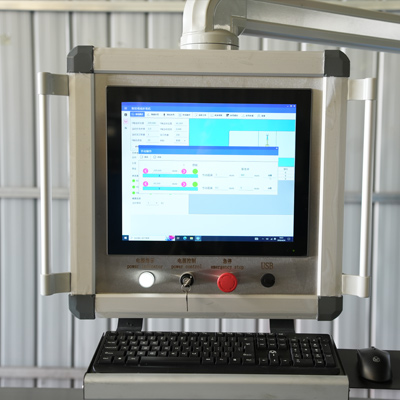
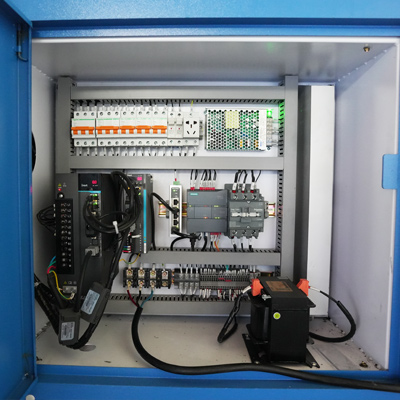
![]() | CNC System Control for Simple and Convenient Operation The machine is equipped with a touchscreen human-machine interface (HMI) and integrated with a self-developed busbar bending control program to achieve intelligent operation. |
| Integrated Processing Between CNC Busbar Bending Machine and CNC Busbar Punching and Shearing Machine The MXZW-200 CNC busbar bending machine can share processing data with the CJ-MX-702 CNC busbar punching and shearing machine, enabling data coordination between punching, cutting, and bending processes.Through one-time programming and multi-machine coordination, repeated data input is reduced, improving overall busbar processing efficiency. | ![]() |
▌Why Do You Need a CNC Busbar Bending Machine?
Copper and aluminum busbars are important conductive components used in electrical equipment. The bending accuracy and forming quality directly affect equipment installation and the stability of electrical connections. Traditional hydraulic busbar bending machines usually rely on operator experience, and the bending positions require manual positioning. This can result in inaccurate bending angle control, poor processing consistency, and low production efficiency, making it difficult to meet the requirements of modern electrical manufacturing.
A CNC busbar bending machine uses a CNC control system, servo positioning system, and automatic bending programs to precisely complete multi-angle bending of copper and aluminum busbars according to preset parameters. It enables accurate control of bending angles, ensures stable processing repeatability, reduces material waste, improves processing efficiency, minimizes errors, and enhances overall busbar processing quality.
CNC Busbar Bending Machine vs Hydraulic Manual Busbar Bending Machine
| Comparison Item | CNC Busbar Bending Machine | Hydraulic Manual Busbar Bending Machine |
| Drive Method | Servo motor drive | Hydraulic driven |
| Processing Accuracy | Siemens CNC control system, stable accuracy | Manual control, general accuracy with larger errors |
| Operating Stability | Stable servo transmission system with good consistency during long-term operation | Stability is affected by maintenance conditions |
| Positioning Method | CNC control with automatic servo positioning | Manual measurement, greatly affected by operator experience |
| Operating Noise | Low noise operation of servo motor, quieter working environment | The hydraulic pump produces high operating noise, which may cause noise pollution |
| Maintenance Cost | Simple structure, easy maintenance, low operating cost | The hydraulic system requires maintenance, resulting in higher maintenance costs |
| Response Speed | Fast response of servo motor, quick start and stop | The hydraulic system has a relatively slow response, causing delays during action changes |
| Level of Automation | CNC program control, suitable for batch automated production | Relies on manual operation, with a lower level of automation |
| Load-Bearing Structure | Centered force design and linear guideway guidance reduce uneven load and friction | Uneven force distribution affects equipment service life and processing accuracy |
▌Core Parameters of CNC Busbar Bending Machine
To determine whether the CNC Busbar Bending Machine meets production requirements, the processing specifications, bending accuracy, and core mold parameters should be considered. The main technical specifications of Fenghua Busbar Bending Machine are as follows:
| Item | 参数值 |
| Model | MXZW-200 |
| Nominal Pressure | 400 KN |
| Bending Accuracy | +/-0.3° |
| Back Gauge Accuracy | +/-0.3 mm |
| Main Motor Power | 5.5 Kw |
| Main Shaft Stroke | 210 mm |
| Maximum Flat Bending Size | 200mm*16mm |
| Back Gauge Length | 1500 mm |
| Maximum Edgewise Bending Size | 120mm*12mm |
| Machine Weight | 3000 KG |
| Overall Dimensions | 3450mm*1200mm*1750mm |
Standard Molds and Accessories:
| Mold / Accessory | Quantity |
| R3 Flat Bending Mold | 1set |
| R5 Flat Bending Mold | 1set |
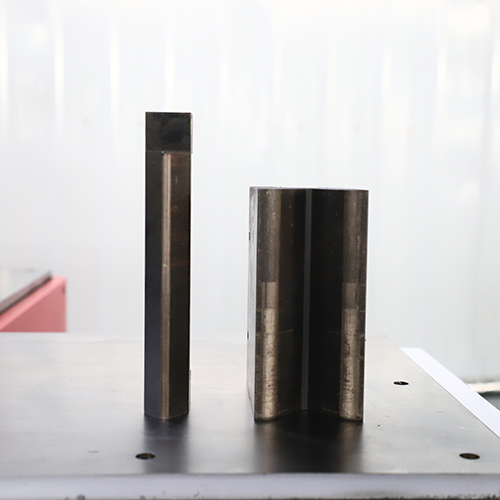
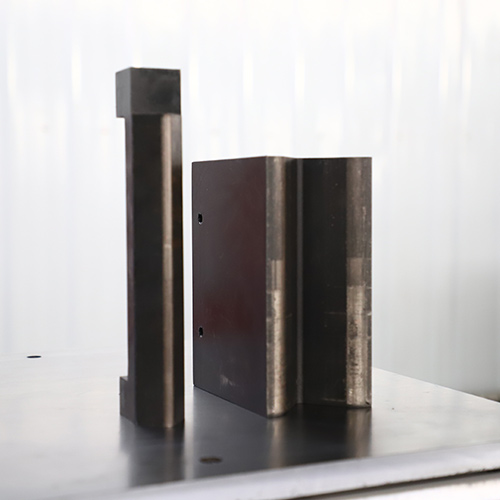
| R60 Edgewise Bending Mold | 1set |
| Foot Switch | 1set |
| English Manual | 1set |
| English Factory Inspection Report | 1set |
| Standard Tools | 1set |
▌What Types of Busbars Can a CNC Busbar Bending Machine Process?
Commonly Processed Materials:
1. Copper Busbar
The main processing materials of CNC copper busbar bending machines include T2 copper busbars, C110 copper busbars, and tin-plated copper busbars. These materials are commonly used conductive busbars in power distribution cabinets and electrical equipment.During bending, these busbars are less likely to develop cracks or fractures on the outer side, have low bending springback, and provide stable bending performance. The equipment controls the bending angle through the CNC system and can achieve various bending processes, including L-shaped bending, U-shaped bending, Z-shaped bending, and flat bending.
2. Aluminum Busbar
Aluminum busbar is the second most commonly used material. It is widely used in photovoltaic systems, substations, and large-scale power distribution projects.Aluminum busbars are lightweight but have lower plasticity than copper busbars, resulting in greater bending springback. The aluminum busbar bending machine can adjust the program in increments of ±0.1° to compensate for differences caused by material elasticity.This effectively reduces errors and improves busbar bending efficiency and processing accuracy.
▌CNC Busbar Bending Machine Bending Samples
![]() | ![]() | ![]() |
![]() | ![]() | ![]() |
▌Applications of CNC Busbar Bending Machine
High and Low Voltage Switchgear Industry
CNC busbar bending machines are widely used in the manufacturing of high and low voltage switchgear. Through precise bending, they connect the main busbars and branch busbars inside the switchgear.This improves the matching accuracy of busbar installation, reduces installation problems caused by bending errors, and improves the production efficiency and consistency of switchgear.
Transformer Industry
During transformer manufacturing, copper bars and aluminum bars need to be bent at different angles according to connection positions.Busbar bending equipment can achieve high-precision and multi-angle processing to meet the processing requirements of internal busbar connection components in transformers.
New Energy Industry
In fields such as photovoltaic power generation, wind power, and new energy vehicles, busbar connection components have high requirements for processing accuracy and consistency.CNC busbar bending machines can be used to process copper bar connection components in new energy equipment, improving production efficiency and ensuring reliable electrical connections.
Power Distribution Cabinet and Electrical Control Cabinet Industry
The internal structures of power distribution cabinets and control cabinets require a large number of busbar connections.CNC bending equipment can accurately complete bending of different busbar shapes according to design dimensions, improving assembly efficiency and reducing material waste.
Rail Transit Industry
Rail transit vehicles, electrical control systems, and power supply equipment require reliable copper bar connection components.With high precision and stable processing capability, CNC busbar bending machines can meet the manufacturing requirements of electrical systems in the rail transit industry.
▌Why Choose Fenghua CNC for Purchasing a CNC Busbar Bending Machine?
Six Advantages of Choosing Us:
15 Years of Experience as a Source Manufacturer of Busbar Processing Machines
Fenghua CNC is a professional manufacturer of busbar processing equipment with 15 years of experience in the research, development, and manufacturing of busbar processing machines.From machine bed casting, complete machine assembly, molds, to electrical control systems, all processes are independently produced and assembled by ourselves.We are not an OEM assembly factory for busbar bending machines, nor are we a busbar bending machine distributor.Whether you need small-batch production, large-scale production, or special-shaped bending, we have mature solutions.
Complete Busbar Processing Solution Provider
Fenghua CNC not only provides individual CNC busbar bending machines, but also offers complete busbar processing equipment solutions based on different customers’ processing requirements. Our product range includes 3-in-1 busbar processing machines, CNC busbar punching and shearing machines, CNC busbar bending machines, and CNC busbar chamfering machines, meeting various processing needs such as busbar punching, cutting, bending, and chamfering. We help customers achieve efficient, stable, and one-stop busbar processing solutions.
Experienced R&D Team with Core Technologies
As a professional busbar processing machine manufacturer, Fenghua CNC not only has production capabilities but also possesses independent R&D and design capabilities.The company has established a professional technical R&D team covering multiple technical fields, including mechanical design, electrical control, CNC systems, automation, and processing technology, with more than ten technical engineers.By cooperating directly with our busbar equipment manufacturer, customers can obtain more professional technical support and more flexible services.
Customized Solutions for the Complete Product Range to Meet Different Production Requirements
According to customers' actual processing requirements, our engineers provide customized solutions covering equipment structure design, 3D drawings, core configurations, mold solutions, and the automation level of the complete machine.Every step is communicated directly between the R&D team and customers to help customers choose the most suitable busbar processing equipment.
Complete After-Sales Service System
From the moment customers purchase the busbar bending machine, our professional after-sales team will track the production schedule, shipment progress, installation guidance, operation training, and remote technical support throughout the process.This ensures that every customer encountering technical issues can solve problems smoothly and maintain stable production operations.
Rich Export Experience
We have been serving overseas markets for many years, and our equipment has been exported to more than 30 countries worldwide.We have accumulated rich experience in CNC busbar bending machine exports and have a good understanding of customers from different countries regarding equipment configuration requirements, operating habits, and cooperation processes.We can provide customers with a smoother purchasing experience.
![]() | ![]() |
▌Frequently Asked Questions
What bending processes can this CNC busbar bending machine perform?
It can achieve flat bending, edgewise bending, U-shaped bending, Z-shaped bending, right-angle bending, and continuous multi-angle bending.
What is the maximum thickness and width of copper and aluminum busbars that the busbar bending machine can bend?
The processing specifications of the busbar bending machine vary depending on different bending processes.
The maximum flat bending size is 200 mm × 16 mm (width × thickness).The maximum edgewise bending size is 120 mm × 12 mm (width × thickness).For other bending shapes, the processing range can also reach 200 mm × 16 mm (width × thickness).
What control system does this CNC busbar bending machine use?
The equipment uses an original Siemens PLC as the core control system. The hardware is stable and durable.
The upper system is equipped with our independently developed busbar-specific CAD/CAM software, which is specially designed for copper and aluminum busbar bending.It can directly import CAD drawings, automatically calculate bending compensation, generate processing programs according to drawings, and assist in setting bending parameters.
Can the molds of the CNC busbar bending machine be customized?
Yes, the molds can be customized.The standard equipment is equipped with flat bending molds and edgewise bending molds, which can meet the processing requirements of copper and aluminum busbars in conventional high and low voltage distribution cabinets.For customers with special requirements, such as:No-mark bending molds、Special-shaped bending molds、Narrow-side edgewise bending molds、Embossing molds、Twist bending molds、Cable lug pressing molds。and other special processes, customized solutions can be provided according to requirements.
How long is the warranty period of the CNC busbar bending machine?
The complete machine comes with a 1-year free warranty.During the warranty period, main components damaged due to non-human factors can be repaired or replaced free of charge.Wear parts of molds are not included in the complete machine warranty.At the same time, we provide lifetime remote technical guidance, discounted spare parts supply, daily equipment operation guidance, maintenance guidance, and other free services.
Does the CNC busbar bending machine support CAD drawing import?
Yes. The MXZW-200 CNC busbar bending machine is equipped with an independently developed CAD/CAM software system, which can directly import CAD drawings and automatically generate processing programs.It reduces manual programming time and improves busbar bending efficiency and processing accuracy.
What shapes can the CNC busbar bending machine process?
The CNC busbar bending machine can achieve flat bending, edgewise bending, L-shaped bending, U-shaped bending, Z-shaped bending, right-angle bending, and continuous multi-angle bending, meeting the processing requirements of different copper busbars and aluminum busbars.
Can the busbar bending machine be customized for different voltages?
Yes. Fenghua CNC supports customization according to the voltage standards of customers' countries, such as 380V, 400V, and 415V.The control system language, molds, and equipment configurations can also be customized.
Does the equipment provide installation guidance for overseas exports?
Yes. After the equipment is exported, we provide English manuals, remote installation guidance, operation training, and technical support to help customers complete equipment installation and start normal production quickly.